Kenton Lane Garden Maintenance Guide for Terraced Homes
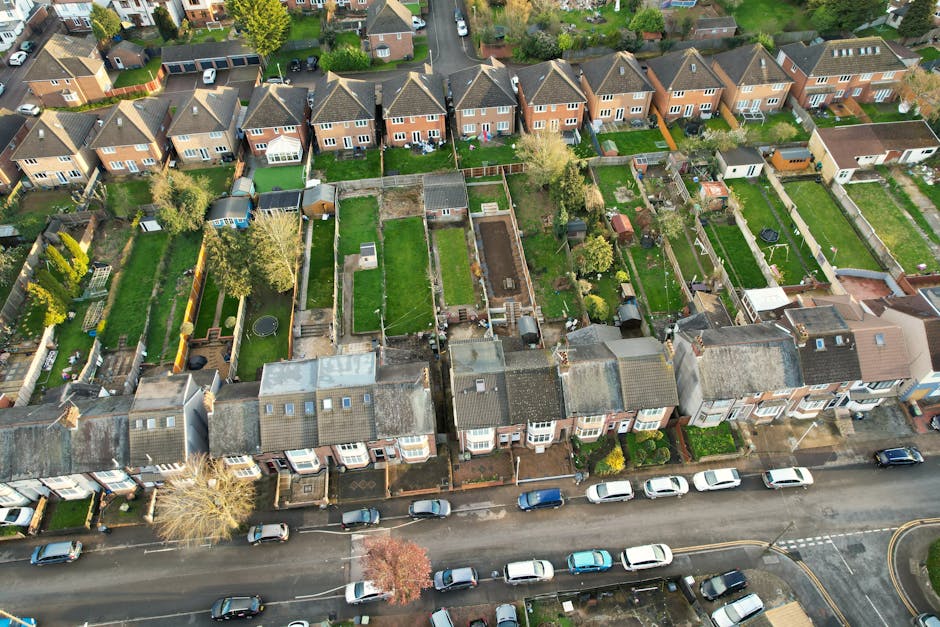
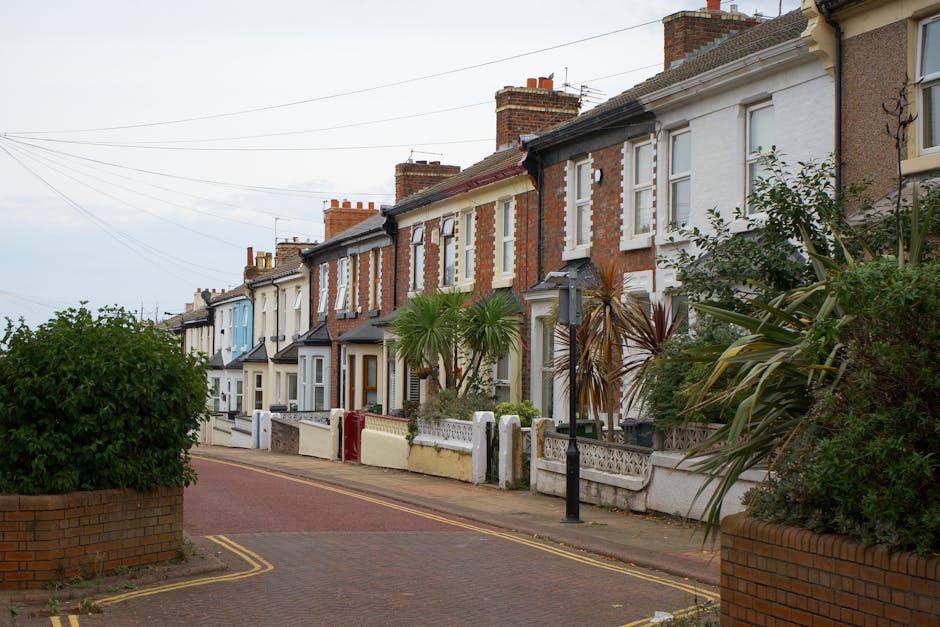
If you live in a terraced home around Kenton Lane, you already know the garden can be a blessing and a bit of a puzzle. Narrow access, overlooked fences, awkward corners, and just enough room for weeds to get comfortable - it all adds up. This Kenton Lane garden maintenance guide for terraced homes is here to make the whole job feel more manageable, whether you're tidying a small back yard, refreshing a front garden strip, or trying to keep a compact outdoor space looking cared for all year round.
Truth be told, terraced gardens often need a different kind of maintenance plan than larger suburban plots. You need routines that are efficient, tidy, and realistic. Not a grand redesign every weekend. In this guide, we'll walk through what matters, how the work is usually approached, what to avoid, and how to keep your garden looking good without turning it into a second job.
For readers who want a broader overview of what professional upkeep can include, our garden maintenance service page and services overview can help you see how the moving parts fit together.
Contents
- Why Kenton Lane garden maintenance guide for terraced homes Matters
- How Kenton Lane garden maintenance guide for terraced homes Works
- Key Benefits and Practical Advantages
- Who This Is For and When It Makes Sense
- Step-by-Step Guidance
- Expert Tips for Better Results
- Common Mistakes to Avoid
- Tools, Resources and Recommendations
- Law, Compliance, Standards, or Best Practice
- Options, Methods, or Comparison Table
- Case Study or Real-World Example
- Practical Checklist
- Conclusion
- Frequently Asked Questions
Why Kenton Lane garden maintenance guide for terraced homes Matters
Terraced homes tend to share a few common garden headaches. Space is tight, boundaries are close, and small tasks quickly become noticeable. A patch of moss on the path, a hedge leaning into a neighbour's light, or a bin area that gathers leaves can make the whole place feel more cramped than it really is. That is why a focused maintenance routine matters so much here.
On Kenton Lane, where many homes are naturally compact and visually close together, a well-kept garden does more than look nice. It helps preserve usable space, keeps access clear, and creates a calmer feel from inside the house. If you've ever opened the back door on a damp Monday morning and been greeted by a tangle of stems and half-wilted pots, you'll know the difference a tidy space makes. Small garden, big impact.
There is also a practical side. Regular maintenance usually costs less effort than letting the space slip and then dealing with a bigger reset later. A few minutes of pruning, sweeping, and edging can prevent a much larger clean-up job. That is especially true for terraced gardens, where one neglected corner tends to spread its mess fast.
Expert takeaway: In terraced homes, good garden maintenance is less about perfection and more about consistency, access, and sensible use of limited space.
How Kenton Lane garden maintenance guide for terraced homes Works
The best terraced-garden maintenance approach is built around layers. Not everything needs doing at once, and trying to do it all usually leads to burnout. Instead, the work is split into regular tasks, seasonal tasks, and occasional heavier jobs.
At its simplest, the process usually looks like this:
- Check the space for overgrowth, waste, weeds, damaged pots, or poor drainage.
- Prioritise safety and access so paths, steps, gates, and rear entries stay usable.
- Carry out routine maintenance such as mowing, trimming, pruning, edging, and sweeping.
- Refresh planting areas where tired plants, bare soil, or overcrowding are making the space look dull.
- Deal with seasonal pressure points like leaf fall, spring growth bursts, summer watering, or winter slick surfaces.
In terraced gardens, the actual order matters. For example, if you trim hedges before clearing debris, you often just create more debris to clean up. Not exactly a revelation, but people do it all the time. A clean base first usually saves time later.
Maintenance also needs to suit the layout of the property. A narrow side passage, shared alley, or enclosed rear yard may need hand tools rather than bigger equipment. In other words, the method should fit the garden, not the other way round.
Key Benefits and Practical Advantages
Good garden maintenance in a terraced setting brings a mix of visual, practical, and lifestyle benefits. The obvious one is curb appeal, but that's only part of it.
- Better use of space: tidy edges, controlled planting, and sensible storage free up room you can actually enjoy.
- Less stress: a manageable routine prevents the garden from becoming a constant nagging job in the background.
- Improved light and airflow: trimming back overgrowth can stop a small garden from feeling dark and boxed in.
- Lower risk of damage: clearing gutters of plant debris, managing roots, and reducing damp build-up helps protect surfaces and structures.
- Neighbour-friendly presentation: in terraced rows, a neat garden often contributes to the whole street's appearance.
- More usable outdoor time: when paths are clean and planting is controlled, the space feels like part of the home rather than something you avoid.
There's also a subtle emotional benefit. A garden that feels sorted can make even a small property feel calmer. You open the door, hear the birds, and don't immediately spot three jobs waiting for you. That matters more than people admit.
Who This Is For and When It Makes Sense
This guide is for homeowners, landlords, tenants with gardening responsibilities, and anyone looking after a compact urban garden on or near Kenton Lane. It is especially useful if your outdoor space is part of a terraced property and you want a practical maintenance rhythm rather than a major redesign.
It makes particular sense if:
- your garden is small, narrow, or split into awkward sections;
- you're dealing with fast-growing hedges, ivy, climbers, or self-seeding weeds;
- you want to improve presentation without changing the whole layout;
- the garden backs onto neighbours and needs a tidy, respectful finish;
- you have limited time and need a maintenance plan that doesn't take over your week;
- you want to prepare a property for sale, letting, or regular viewing.
If you are trying to decide whether to keep up with the work yourself or bring in help, that usually comes down to time, tools, and the amount of growth you're facing. A small, tidy yard may only need light upkeep. A neglected terrace garden with heavy overgrowth is a different story.
Step-by-Step Guidance
Here is a practical way to tackle terraced garden maintenance without getting overwhelmed. Use it as a working routine rather than a strict rulebook.
1. Start with a clear view of the garden
Walk the whole space slowly. Look for weeds, blocked paths, broken pots, dead plants, moss, loose paving, and anything that might cause a trip or snag. On smaller gardens, even one messy area can dominate the view, so small fixes matter.
2. Remove waste and obvious clutter
Pick up fallen branches, old plant material, litter, and anything sitting where it should not be. If the garden has been neglected for a while, clearing first gives you breathing room. You may notice the space already feels better before any real work begins.
3. Tackle weeds and unwanted growth
Weeds in paving cracks, borders, and gravel can make a tiny garden look untidy very quickly. Pulling them by hand is often best in tight spaces, especially where precision matters near walls, steps, or planted beds. If growth is stubborn, a repeated routine usually works better than one heroic effort.
4. Trim hedges, shrubs, and climbers
Keep shapes compact and growth away from windows, fences, and paths. In terraced gardens, overgrown shrubs can swallow light faster than you'd expect. A little discipline here goes a long way. Climber control matters too; otherwise, they can spread into drains, gutters, or neighbouring boundaries.
5. Refresh lawn areas if you have them
Some terraced homes have only a small lawn strip, but even a tiny lawn benefits from regular mowing, edging, and occasional feeding or reseeding. If the lawn is patchy and shaded, it may be worth considering whether it is still the best use of the space.
6. Reassess planting and containers
Pots are brilliant in terraced gardens because they bring colour without eating space. But they do need attention. Check for waterlogging, crowded roots, tired compost, and plants that are simply the wrong size for the spot. A couple of well-placed containers usually look better than a dozen mismatched ones. Honestly, fewer, better pots is often the trick.
7. Sweep, edge, and finish neatly
The final stage is often what turns a garden from "done" into "properly cared for." Sweep paths, clean edges, and make sure the visual lines feel intentional. A small garden has little room to hide sloppy finishing, so this last step is worth the few extra minutes.
Expert Tips for Better Results
Small gardens reward smart choices. You do not need to overcomplicate things. In fact, the more compact the space, the more helpful simple routines become.
- Work from the back of the garden forwards. That way, you are not repeatedly stepping over debris.
- Use vertical space wisely. Wall planters, trellis structures, and climbing plants can add interest without crowding the ground.
- Keep a "maintenance basket" or small kit nearby. Gloves, secateurs, twine, a hand fork, and waste bags in one place save time.
- Choose plants with manageable growth habits. In a terrace, compact, repeat-flowering, or low-maintenance varieties often perform better than vigorous ones.
- Pay attention after wet weather. Damp paving, algae, and moss can appear quickly in shaded urban gardens.
- Set a repeat rhythm. A little every week often beats one big session every couple of months.
If you want to improve privacy without making the garden feel boxed in, it helps to plan carefully. Our article on tall potted plant varieties for a more private yard is a useful companion read for that exact problem.
One small but useful habit: stand at the back door and look out before you finish. That view is often how you experience the garden most of the time. If it looks calm from there, you've probably done enough.
Common Mistakes to Avoid
Terraced garden maintenance tends to go wrong in a few predictable ways. The good news? They're all fixable.
- Letting the garden overgrow between visits: one missed month can become three jobs at once.
- Using too many plants: overcrowding is a classic small-garden mistake and it makes the space feel fussy.
- Ignoring the boundaries: fences, walls, and shared edges shape the whole appearance, so keep them in check.
- Choosing oversized features: big furniture or heavy ornamentation can dominate a narrow terrace garden.
- Forgetting drainage: water that pools after rain can cause slippery surfaces and tired planting.
- Cutting everything back too hard: over-pruning can leave a garden looking bare and stressed rather than neat.
- Doing all the work at the wrong time of year: for example, leaving leaf clean-up until it becomes slippery and compacted.
There is a balance to strike. Too little attention and the garden slips. Too much force and you strip away what makes it pleasant. Gardening, frustratingly, is often about restraint.
Tools, Resources and Recommendations
You do not need a shed full of specialist equipment to maintain a terraced garden well. A compact set of reliable tools usually does the job.
| Tool | Best use | Why it helps in a terraced garden |
|---|---|---|
| Hand fork | Weeding and loosening soil | Good for tight borders and small beds |
| Secateurs | Pruning stems and light shrubs | Precise cutting in narrow spaces |
| Hedge shears or trimmer | Shaping hedges and climbers | Keeps growth compact and tidy |
| Stiff broom or brush | Sweeping paths and patios | Useful for daily-looking finish in small areas |
| Lightweight mower | Lawn care | Easier to manoeuvre in limited access spaces |
| Garden waste bags | Collecting clippings and debris | Reduces mess and speeds up clean-up |
If the garden needs more substantial work, such as clearing dense growth, reshaping beds, or reworking tired areas, it may be worth combining routine maintenance with a broader refresh. In those cases, garden clearance, landscaping, or even landscape gardening can be relevant depending on the scale of the job.
For outdoor timber areas, it is also sensible to keep an eye on surfaces and fixings. A small terrace garden can benefit from better structure as much as better planting. If decking is part of the space, decking services may be useful where wear and layout improvements are needed.
Law, Compliance, Standards, or Best Practice
Garden maintenance in terraced homes is usually straightforward, but there are a few best-practice points worth keeping in mind. These are not complicated, just sensible.
Neighbour boundaries: avoid cutting, leaning, or storing in a way that creates avoidable nuisance. If hedges or climbers extend across a boundary, it is better to manage them carefully and communicate where needed rather than assume the issue will sort itself out.
Safety: if you are using ladders, powered tools, or handling heavy waste, work carefully and do not rush. Good practice matters more than speed. For professional help, ask whether the provider has appropriate safety procedures and insurance in place. For example, many customers like to look through an operator's insurance and safety information before agreeing to any work.
Waste handling: green waste should be removed responsibly. Compostable material, cuttings, and soil can often be separated from general rubbish where practical. If sustainability matters to you, a provider's recycling and sustainability approach is worth checking.
General standards: while there is no special "terraced garden" legal code, decent workmanship is usually obvious. Clean edges, tidy disposal, no avoidable damage, and transparent communication. Those things sound basic because they are basic, but they matter.
For readers who want to understand how a business handles queries, payments, or customer process, the site also provides clear information on pricing and quotes, payment and security, and the complaints procedure. Not glamorous, maybe, but reassuring.
Options, Methods, or Comparison Table
Different terraced gardens need different approaches. Here's a simple comparison to help you decide what suits your space best.
| Approach | Best for | Pros | Trade-offs |
|---|---|---|---|
| DIY weekly upkeep | Tidy, manageable gardens | Low cost, flexible, hands-on control | Requires time and consistency |
| Monthly professional maintenance | Busy households or lightly structured gardens | Reliable finish, less effort for you | Less frequent attention may allow quick regrowth |
| Seasonal reset service | Overgrown or neglected gardens | Fast improvement, strong visual impact | Not enough on its own for ongoing care |
| Combined maintenance and clearance | Dense growth, clutter, or transition projects | More comprehensive, useful for bigger jobs | Usually more involved than simple upkeep |
For many terraced homes, the sweet spot is a routine maintenance plan with the occasional heavier intervention. That keeps costs, effort, and growth all in balance. If you are comparing options more closely, the article on affordable Kenton garden maintenance rates is a handy place to start.
Case Study or Real-World Example
Here's a realistic example from the kind of property this guide is built for. A narrow rear garden on a terraced street had become cluttered with pots, uneven edging, a patchy lawn strip, and several climbers pressing into the fence line. Nothing dramatic. Just that steady kind of neglect that makes a space feel smaller every month.
The work began with a full clear-up. Dead leaves, a few broken containers, and an old trellis panel were removed first. Then the borders were weeded, the hedge line was trimmed back, and the lawn was edged cleanly so the garden immediately looked sharper. The final touch was simple: two strong pots near the door, with lower-maintenance planting and less visual clutter.
What changed most was not the amount of work, oddly enough. It was the feeling of space. Once the overgrowth was pulled back and the sightlines were opened up, the garden felt wider. The owner said the back room looked brighter too, which makes sense. In a terraced home, the garden often acts like an extra window. Keep it tidy and the whole house feels lighter.
That kind of result is common. Not because the work is magical, but because small spaces react quickly to good maintenance. You don't need a complete redesign to make a real difference.
Practical Checklist
Use this checklist as a simple maintenance reset for a terraced garden on Kenton Lane.
- Remove litter, branches, and dead plant material
- Check paths, steps, and access points for trip hazards
- Weed borders, paving cracks, and gravel areas
- Trim hedges, shrubs, and climbers back from boundaries
- Mow and edge any lawn area that remains
- Empty, tidy, or replant tired pots and containers
- Sweep patios, paths, and entrances
- Check for damp, moss, or drainage problems after wet weather
- Review plant spacing so the garden does not feel overcrowded
- Dispose of waste responsibly and keep the finish clean
Quick rule of thumb: if the garden looks neat from the back door, is easy to walk through, and does not feel cramped, you are probably in good shape.
Conclusion
A terraced garden does not need to be large to make a real difference to your home. With the right routine, even a compact outdoor space on Kenton Lane can feel bright, practical, and genuinely pleasant to spend time in. The key is to work with the size of the garden, not against it: keep tasks regular, use simple tools, and focus on the areas that shape first impressions most.
If you are deciding between a quick tidy-up and something more involved, start with the basics and then build from there. A clean, manageable garden is easier to maintain, easier to enjoy, and far less stressful to live with. And that, really, is the point.
Get a free quote today and see how much you can save.
Little improvements add up. A neat edge here, a trimmed border there, and suddenly the whole place feels more like home again.
Frequently Asked Questions
How often should a terraced garden on Kenton Lane be maintained?
Most terraced gardens benefit from light weekly or fortnightly attention, with a more thorough tidy-up once a month. The exact rhythm depends on growth, season, and how much you use the space.
What is the biggest challenge with terraced home gardens?
Space is usually the biggest challenge. Narrow layouts, close boundaries, and limited storage mean every plant and every task has more impact than it would in a larger garden.
Can a small terraced garden still look impressive?
Absolutely. In fact, smaller gardens often respond very well to neat maintenance, good planting choices, and a simple layout. A tidy small garden can look sharper than a larger one with less care.
Is it better to use pots or borders in a compact terrace garden?
Both can work well, but pots are often more flexible in tight spaces. Borders are useful too if they are kept controlled and not overplanted. A blend of both usually works best.
What should I do first if the garden is badly overgrown?
Start with clearing waste and making safe access. Then move on to weeds, overgrowth, and any damaged or dead material. It is usually easier to restore a garden in stages rather than all at once.
Do terraced gardens need special plant choices?
Yes, ideally. Compact, resilient, and lower-maintenance plants usually suit small spaces better than fast-spreading varieties. Shade, wind, and privacy needs should also influence what you choose.
How can I make a narrow garden feel wider?
Keep the lines clean, reduce clutter, use a limited planting palette, and avoid oversized items. Opening sightlines from the back door can make a surprising difference.
What maintenance work is most important before winter?
Clearing leaves, tidying borders, checking drainage, cutting back vulnerable growth, and making sure paths are safe are all sensible priorities before colder, wetter weather arrives.
Should I hire a professional for small garden maintenance?
If you are short on time, unsure about pruning, or dealing with a garden that has become unruly, professional help can be worth it. Small gardens still need proper care, and sometimes a fresh pair of hands makes everything easier.
How do I know if my garden needs clearance rather than routine maintenance?
If the space has dense overgrowth, lots of debris, or access is difficult, it may need clearance first. Routine maintenance works best once the garden is already manageable.
Are there sustainability benefits to regular garden upkeep?
Yes. Regular care can reduce waste, improve plant health, and make it easier to reuse compostable material properly. It also tends to prevent bigger, more wasteful interventions later on.
What's the simplest way to keep a terraced garden looking tidy every week?
Focus on the visible basics: sweep paths, remove weeds, pick up debris, and keep plants trimmed back from the edges. A short, consistent routine beats an occasional marathon session every time.