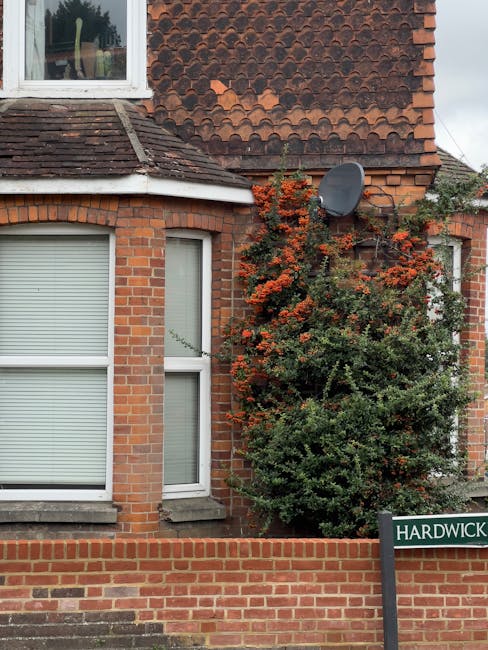
Commercial gardeners for Kenton shops and offices Northwick Park
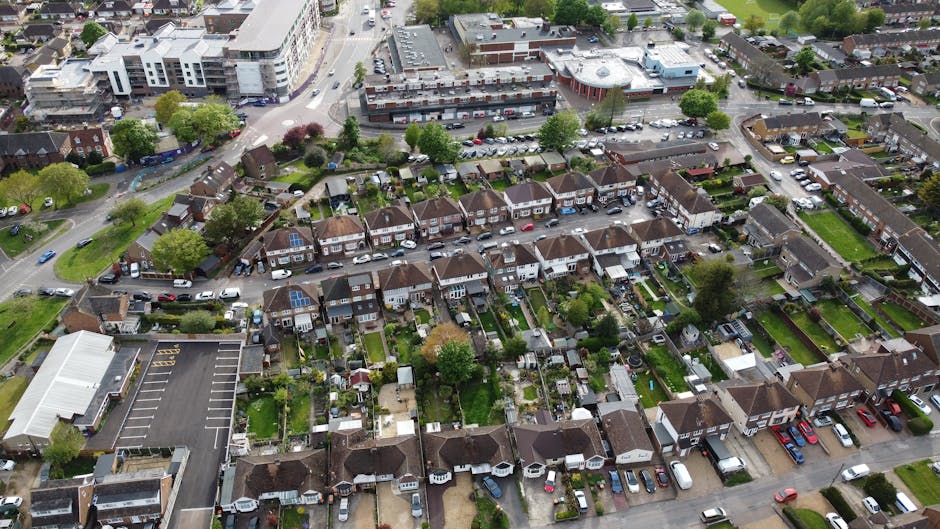
If you manage a shop front, office entrance, shared forecourt, or business courtyard near Kenton or Northwick Park, you already know this: the outside space speaks before anyone walks through the door. A neat verge, clipped hedge, healthy lawn, and clear access path can make a place feel cared for straight away. That is why Commercial gardeners for Kenton shops and offices Northwick Park matter so much. They keep commercial grounds tidy, safe, and presentable without turning the whole thing into a fuss.
In practical terms, commercial gardening is about consistency. It is not just mowing once in a while and hoping for the best. It is scheduled maintenance, seasonal care, quick responses after weather damage, and a proper understanding of how business premises need to look and function. In a busy London setting, that sort of steady upkeep saves time, reduces complaints, and stops small problems becoming awkward ones. A patch of weeds is one thing; a neglected entrance where customers hesitate is another.
This guide explains what commercial gardeners do for Kenton shops and offices around Northwick Park, how the service works, what to expect, and how to choose the right approach for your premises. You will also find a checklist, a comparison table, and a plain-English look at compliance and best practice. Let's get into it.
Why Commercial gardeners for Kenton shops and offices Northwick Park Matters
For shops and offices, the outside area is not decoration. It is part of the working environment. A busy retail frontage in Kenton needs to look open and welcoming from the pavement. An office near Northwick Park may need a calmer, more professional feel, with tidy planting and clear walkways. Different property types, same basic truth: first impressions happen fast.
Commercial gardening matters because business sites are used differently from private gardens. People walk through them all day. Deliveries arrive. Bins get moved. Foot traffic compacts the soil. Litter catches in shrubs. After a wet spell, moss and debris can build up. And in winter? Everything looks a bit more tired, even when it is technically fine. If no one is actively maintaining the site, it shows.
There is also a safety angle. Overgrown hedges can block sightlines. Slippery paths become a nuisance. Loose cuttings, dead branches, and overflowing planters make entrances feel messy and sometimes hazardous. That is where regular commercial maintenance earns its keep. Not flashy. Just effective. Truth be told, that is exactly what most businesses want.
For local businesses near Northwick Park, the issue is also about reputation. A clean and orderly frontage can reinforce trust before a customer speaks to anyone. For offices, it can support staff wellbeing and make the workplace feel more settled. Small detail, big difference.
How Commercial gardeners for Kenton shops and offices Northwick Park Works
The process is usually straightforward, but a good commercial gardening service will shape it around the site rather than forcing the site into a fixed pattern. That is the difference between a generic visit and proper grounds care.
It often starts with a site review. The gardener looks at the layout, the planting, how people move through the space, and which areas cause the most trouble. A shop with a narrow frontage will have different needs from a two-storey office block with side access, rear bins, and a small planting strip by the staff entrance. No surprises there, but it matters.
From there, the work is usually planned on a schedule. Weekly, fortnightly, monthly, or seasonal visits all make sense depending on the space. Some sites need frequent lawn mowing and edging. Others mostly need hedge trimming, weed control, tidy pruning, and clearance of leaves or debris. A lot depends on visibility, footfall, and how much growth the planting gets through the year.
Typical tasks can include:
- grass cutting and edging
- hedge trimming and shaping
- border weeding and light pruning
- leaf clearance and debris removal
- planting refreshes and seasonal tidy-ups
- green waste removal and responsible disposal
- occasional landscape improvements where needed
Where a site has been left for a while, a one-off garden clearance may be the right starting point before regular maintenance begins. That resets the space, makes it safer, and gives the gardener a clean baseline to work from. For longer-term improvements, business owners often combine maintenance with broader landscaping or landscape gardening work.
Scheduling is only part of it. Communication matters too. A good contractor will confirm access arrangements, noise-sensitive times, waste handling, and what should happen if weather disrupts the plan. Offices in particular often prefer predictable time windows, especially if staff arrive early or clients visit during the day.
Key Benefits and Practical Advantages
The obvious benefit is appearance, but that is only the start. Commercial grounds care pays off in several practical ways, and they all add up.
A cleaner first impression
People tend to notice tidy boundaries, healthy planting, and well-kept paths without thinking about it. That quiet professionalism can make a shop feel more inviting and an office feel more competent. You know the feeling yourself when you walk past a site and it just looks looked after.
Better day-to-day usability
Regular maintenance keeps access routes clear, reduces trip hazards, and stops vegetation from creeping into walkways or signs. For retail sites, that can mean easier movement for customers and deliveries. For offices, it helps staff and visitors get in and out without dodging overgrowth.
Reduced long-term cost pressure
Small, regular tasks are usually easier to manage than one huge repair job later. If hedges are cut before they become unmanageable, or lawns are maintained before they thin out, the site stays healthier. It is a bit like servicing a car rather than waiting for the warning light and then pretending not to see it.
More seasonal resilience
Commercial gardens in London can look different every month. Spring growth, summer dryness, autumn leaf fall, winter detritus. Regular care helps a site stay presentable throughout the year instead of only looking decent for one season and messy the rest of the time.
Better alignment with brand standards
If your business has a polished, calm, welcoming, or premium feel, the outdoor space should match. The same applies if the goal is practical and understated. Commercial gardeners help keep the landscaping aligned with the tone of the business, which is often overlooked until something looks off.
A more reliable service relationship
With an ongoing arrangement, the gardener gets to know the site. That means quicker decisions, fewer explanations, and a better sense of what matters most. In our experience, that familiarity is worth a lot, especially where the site has awkward corners, shared access, or mixed planting.
Who This Is For and When It Makes Sense
This kind of service is a good fit for businesses that need their outdoor areas to stay neat, safe, and presentable without adding more work to already busy teams. That sounds broad, because it is. But the common examples are easy to recognise.
- Shops and retail units that need visible kerb appeal
- Offices with staff entrances, planting beds, or courtyard areas
- Mixed-use premises where customers and staff share access routes
- Business parks and small commercial estates
- Property managers overseeing several premises in the same area
- Facilities teams who need dependable external maintenance support
It makes sense when the outdoor area affects business perception, safety, or usability. It also makes sense when internal staff are being asked to do jobs that are simply not part of their role. Let's face it, a receptionist should not be carrying hedge trimmers around at 8 a.m.
You may need commercial gardeners if:
- customers comment on untidy entrances
- weeds keep returning between visits
- hedges are getting in the way of windows, signage, or pathways
- fallen leaves create slippery or messy areas
- your current schedule is reactive rather than planned
- you want to improve the look of the property without major redevelopment
If the site is currently overgrown or cluttered, a one-off clearance followed by maintenance is often the most sensible route. If it is already in reasonable shape, the focus may be on keeping it that way. Either way, consistency wins.
Step-by-Step Guidance
If you are arranging commercial gardening for a Kenton shop or an office near Northwick Park, the process is easier when you think in stages. Here is a practical way to approach it.
- Assess the site honestly. Walk the outside space at different times of day. Look at entrances, visibility, edges, bins, planting, and any places where debris collects.
- Identify priorities. Is the main problem appearance, safety, access, or all three? A busy shop frontage may need sharper presentation, while an office might need quieter, ongoing maintenance.
- Decide what kind of care is needed. Grass cutting, hedge trimming, clearance, pruning, planting maintenance, or a broader landscaping refresh may all be relevant.
- Choose a frequency. Weekly visits suit high-traffic sites; fortnightly or monthly plans can work for quieter spaces. Seasonal visits often suit planting-heavy sites.
- Set access and timing rules. Confirm when the gardener can enter, where tools and waste can be stored, and whether work should avoid trading hours or staff arrival times.
- Agree on waste handling. Green waste should be collected, removed, and handled responsibly. This is one of those boring details that stops becoming boring if it goes wrong.
- Review after the first few visits. The schedule may need tuning once the gardener sees how the site behaves in real life. That is normal.
A small but important point: if the site includes trees, larger shrubs, or awkward overhanging growth, do not treat that as a side issue. It may need more specialist attention, and in some cases a separate service such as tree lopping and removal can be the safer, more suitable option.
Expert Tips for Better Results
Commercial grounds care gets better results when it is managed a little like any other operational service. Not complicated. Just thoughtful.
1. Keep the brief simple, but specific
Say what matters most: entrance presentation, weeds, hedges, paths, lawn condition, or planting health. The more precise the brief, the less time gets wasted. A vague "tidy it up" instruction can work, but it is better when paired with actual priorities.
2. Match maintenance to footfall
A retail entrance that sees dozens of people a day needs different attention from a quieter office side garden. Areas with higher traffic usually need more frequent tidying, edging, and debris removal. Easy to miss, that bit.
3. Plan around the seasons, not just the calendar
Spring growth can be fast. Autumn leaves can overwhelm paths and drains. Winter wind can scatter litter and branches. A good maintenance plan flexes with the seasons instead of sticking rigidly to an unrealistic schedule.
4. Don't ignore the edges
People often look at the main planting bed or the lawn and forget borders, fence lines, corners, and hard-to-reach spots. Those are usually the first places to show neglect. They can also be where litter gathers. Funny how that always happens.
5. Keep a short record of recurring issues
If one hedge always blocks a sign or one bed always gets weeds, note it. Patterns help. They also help your gardener work more efficiently, which is never a bad thing.
6. Combine maintenance with small improvements
A site does not need a full redesign to look better. Better edging, improved planting, or a cleaner layout can transform the feel of a frontage. In some cases, a modest upgrade through landscaping or targeted landscape gardening creates more impact than people expect.
Common Mistakes to Avoid
Most problems with commercial gardens are not dramatic. They are just neglected details that build up. The good news is that they are very avoidable.
- Only booking reactive visits. Waiting until the site looks bad usually means extra work and a more expensive clean-up.
- Assuming one service covers everything. A maintenance plan is not the same as a clearance job, and bigger issues may need separate action.
- Ignoring access times. Turning up while customers are arriving or deliveries are happening can create friction for everyone.
- Overlooking waste removal. Cuttings, branches, and debris left on-site can undo the tidy-up quickly.
- Letting hedges and shrubs grow unchecked. By the time they are visibly blocking light or paths, the fix is often more involved.
- Choosing a plan that looks cheap but does not fit the site. Cheap and suitable are not always the same thing. Annoying, but true.
A common one is expecting a lawn to behave like a postage stamp: neat, level, and obedient all year. Real ground does not care about expectations. It needs the right care, at the right time.
Tools, Resources and Recommendations
Good commercial gardeners bring their own tools, but it helps to understand what a proper job usually involves. That way, you can judge a proposal on substance rather than sales language.
| Task | Typical approach | What good looks like |
|---|---|---|
| Lawn mowing | Regular cutting with edging and clean finish | Even height, no scalp marks, tidy borders |
| Hedge trimming | Shaping, reduction where appropriate, waste removal | Neat lines, healthy growth, no overhang |
| Garden clearance | Removal of accumulated waste, debris, and overgrowth | Clear access, safer surfaces, usable space restored |
| General maintenance | Ongoing weeding, pruning, tidying, and seasonal work | Stable appearance between visits |
| Landscape improvements | Reshaping beds, paths, borders, or planting areas | Stronger visual order and easier upkeep |
For many commercial premises, the most useful support pages are the ones that explain the wider service set. A good place to start is the services overview, then look at specific maintenance needs such as garden maintenance, lawn mowing, and hedge trimming.
If the site has become cluttered or has been neglected for a while, garden clearance is often the right first move. If the business has a timber deck, seating area, or outdoor staff space, decking services may also be relevant for a cleaner, more usable external setting.
Law, Compliance, Standards, or Best Practice
For commercial gardens, the key compliance point is not usually about one single rule. It is about operating responsibly and safely. That means taking care with access, equipment, waste, and any work that could affect staff, customers, or the public.
Businesses should expect sensible risk controls, especially where tools are used near entrances or shared walkways. Common best practice includes clear working arrangements, safe storage of equipment, and keeping public access under review while work is in progress. If tree work is involved, or if branches could affect power lines, windows, or neighbouring property, the job should be handled with appropriate caution and competence.
It is also sensible to ask about insurance, incident handling, and environmental practice. Green waste should be dealt with properly, and on some sites the method of disposal matters to the client as much as the finished appearance. If sustainability is part of your company values, that is worth saying early. There is usually a way to align maintenance with better recycling and lower waste. The details matter.
For businesses seeking reassurance, it can help to review a provider's health and safety policy, insurance and safety information, and recycling and sustainability approach. You do not need a lecture; you need confidence that the work will be done properly and without avoidable risk.
One more practical point: if the project involves changes to layouts, retaining walls, surfaces, or longer-term planting strategy, it is usually wiser to treat that as landscaping work rather than routine maintenance. That distinction helps keep expectations clear, and frankly it stops a lot of awkward misunderstandings.
Options, Methods, or Comparison Table
Different businesses need different levels of support. Some only need periodic tidying. Others need a more comprehensive care plan. Here is a simple way to compare the main options.
| Option | Best for | Pros | Limitations |
|---|---|---|---|
| One-off tidy-up | Recently neglected sites or pre-opening preparation | Fast reset, immediate visual improvement | Does not prevent future build-up |
| Scheduled maintenance | Shops and offices needing reliable presentation | Consistent appearance, easier budgeting | Needs a clear brief and ongoing review |
| Clearance plus maintenance | Overgrown or cluttered commercial grounds | Stronger long-term result, better starting point | More intensive at the beginning |
| Maintenance with landscaping upgrades | Sites needing better kerb appeal or usability | Improves both function and presentation | May require more planning and coordination |
For many Kenton businesses near Northwick Park, the sweet spot is a blend: start with a proper reset if needed, then move into predictable maintenance. That tends to be the least stressful route. Not glamorous, but it works.
Case Study or Real-World Example
Imagine a small office near Northwick Park with a front strip of planting, a side path, and a rear area used for bins and staff access. For months, the site has been "fine" in the way neglected sites often are. Not terrible. Just slightly untidy in a way that everyone notices but nobody quite wants to bring up.
The hedge starts to spill into the path. Weeds grow around the edges of the paving. Leaves gather in the corner by the bins. The lawn patch, if there is one, becomes patchy because no one is maintaining it regularly. Meanwhile the reception team keeps hearing the same comment from visitors: "It looks a bit tired outside, doesn't it?"
A sensible plan would be to begin with clearance, followed by a structured maintenance schedule. That might include hedge trimming, weed control, mowing where needed, and seasonal tidying. After a few visits, the entrance looks calmer, the walking routes are clearer, and the outside space once again matches the rest of the building. Nothing dramatic. Just better. And in business terms, better is often enough.
It is the kind of change you notice on a damp Tuesday morning when the pavement is wet and the air smells faintly of cut grass. The building feels sharper. The place feels looked after. People notice, even if they do not say much.
Practical Checklist
Use this checklist before you book or review commercial gardening for a shop or office in Kenton or around Northwick Park.
- Walk the site at the times it is most busy
- Note areas that affect access, safety, or presentation
- Decide whether clearance is needed before maintenance
- List the tasks that matter most: mowing, hedges, pruning, weeds, leaves
- Check whether the work needs to avoid trading hours
- Confirm who handles waste removal
- Ask how seasonal changes will be managed
- Review insurance, safety, and sustainability information
- Make sure the schedule suits footfall and weather patterns
- Set a review point after the first few visits
Practical summary: the best commercial gardening plans are simple, scheduled, and tailored to how the site is actually used. If the outside area looks tidy, stays safe, and requires less internal chasing, the plan is doing its job.
Conclusion
Commercial gardeners for Kenton shops and offices Northwick Park provide more than a neat finish. They help businesses protect first impressions, keep outdoor areas usable, and maintain a site that feels calm rather than chaotic. For shop fronts, that means a better welcome. For offices, it means a more professional setting for staff and visitors. For property managers, it means fewer last-minute surprises.
The most effective approach is usually a mix of clear priorities, sensible scheduling, and regular review. Start with the real condition of the site. Choose the right level of support. Keep the work consistent. It sounds basic, because it is. But basic, done well, is often what keeps a commercial property looking right day after day.
If you are comparing options for your business grounds, it is worth exploring the wider maintenance and landscaping services available so the plan fits the site properly, not just on paper but in practice too.
Get a free quote today and see how much you can save.
Frequently Asked Questions
What do commercial gardeners do for shops and offices?
They handle the ongoing care of external spaces such as lawns, hedges, borders, paths, and planted areas. For shops and offices, that usually means keeping the frontage tidy, safe, and consistent with the business image.
How often should a commercial garden be maintained?
It depends on the site and how much footfall it gets. Busy shop fronts often need more frequent attention, while quieter office spaces may be fine with less regular visits. Seasonal changes also affect the schedule.
Is garden clearance different from maintenance?
Yes. Garden clearance is usually a one-off or occasional service used to remove overgrowth, debris, or neglected material. Maintenance is the ongoing care that keeps the site in good condition afterwards.
Can commercial gardeners work outside business hours?
Often, yes. Many businesses prefer work to happen before opening, after closing, or at quieter times. It should always be agreed in advance so access and noise are managed properly.
What if the site has become badly overgrown?
That usually calls for a clearance first, then regular maintenance. Starting with routine mowing or trimming alone can be inefficient if the space has been left untouched for a while.
Do commercial gardeners handle waste removal?
They usually should. Cuttings, branches, and debris need to be collected and disposed of properly so the site is left tidy and usable. It is one of those details that makes a huge difference.
How do I know whether I need landscaping or maintenance?
If the site mostly needs tidying and care, maintenance is the right fit. If you want to change the layout, improve planting structure, or alter how the space functions, landscaping may be more appropriate.
What should I ask before hiring a commercial gardener?
Ask about the tasks included, visit frequency, access arrangements, waste handling, insurance, and how they deal with seasonal changes. A good provider should be able to explain the plan clearly and without jargon.
Are commercial gardeners suitable for small offices as well as larger sites?
Yes. Small sites often benefit a lot from professional upkeep because even one untidy entrance can affect the whole impression. A compact frontage can be more visible than people expect.
How can I keep costs under control without cutting quality?
Be specific about priorities, choose a sensible schedule, and deal with problems early rather than waiting. Regular care is often more cost-effective than repeated emergency tidy-ups.
Can commercial gardening improve staff wellbeing?
It can. A tidy, usable outdoor area makes the workplace feel more orderly and pleasant. It is not a miracle fix, obviously, but people do notice when a site is cared for properly.
Where can I learn more about related services?
You can review the broader service offering through the services overview, then look at specific pages for garden maintenance, lawn mowing, and hedge trimming to match the service to your site's needs.
How do I get in touch if I want a tailored quote?
Use the site's contact page when you are ready to discuss your premises, the type of space you manage, and the level of care you need. A good quote starts with a clear view of the site and a practical brief.
For a business in Kenton or near Northwick Park, that first conversation can make the whole process feel a lot easier. And sometimes, that is half the battle.